

Country: Barbados & Jamaica
ABV: Various%
Cost at Time of Purchase: £Various
Type of Rum: Various
* (See End)
Hydrometer Test: N/A
“An answer to the age-old question of which is better?
Rum from Barbados or Jamaica.”
Anyone who knows anything about rum will have asked this question. And of course, everyone will have their own verdict. There are devotees to rums from both islands. There are advocates that will argue to the end of the world about one being better than the other. Both islands claim to have the oldest distilleries in the Caribbean. Of course, Mount Gay from Barbados can officially claim the title. They have documentation dating back to 1703 proving its existence. Well, in a very relaxed and unscientific way, I have the answer. Along with my good friend and ex-Royal Marine, Kevin Brooks, we had two tasting sessions where we sampled and compared 20 different rums. Ten from each of Barbados and Jamaica.
Let’s Declare Any Interests Upfront.
My first ever rum was Appleton (Jamaica). Those who know me will have heard this story many times. For those that do not know it, I was eight years old in 1980. My parents took me on holiday to Jamaica, which unlike today, was not a routine holiday destination. There were plenty of stories of getting sick especially with stomach bugs. So the recommendation was to have some rum. My parents added (what I believe) was a tiny amount of Appleton to my coke and hey-ho, it worked, I did not get sick. Of course, a Jamaican’s answer to any question is always rum. It was when I was in my late teens that I rediscovered rum though. Back then (late 80’s and early 90’s) rum was very different to today. If you found Appleton on a shelf, you were very fortunate, but I started drinking it regularly.
I did say that this was about Barbados, too. But my first proper tasting of a Barbados rum was in 2010 some 30 years after my first Jamaican rum. It was at my first visit to UK’s Rumfest. One of the first stands I encountered offered Foursquare and I tried R. L. Seale’s 10 year old and it blew me away. My favourite new rum from my first rum festival was St. Nicholas Abbey (SNA) 10 year old. I later discovered that initial rums from SNA were distilled at Foursquare. And so my love of Barbados rum began, albeit a little late.
As for Kevin, well his weak spot is high ABV rums. For Kevin, anything less than Navy Strength is like making love in a canoe. It is f***ing close to water! Either way, he loves rums from both nations with a passion.
Which Rums To Compare?
I delved into my rum collection, which is currently over 650 different rums. I knew that comparing a supermarket-style rum from one country against a super premium from the other would be unfair. I ruled out things like Kingston 62, Mount Gay Eclipse, my Appleton 50 year old and Foursquare 2006. I tried to pick rums of similar styles, ages, ABVs and price-range to make it as fair as possible. I picked rums from the same type of distillation – batch/pot, continuous/column or blended. I chose from all four of Barbados’s distilleries and all but one Jamaican. I do not have a Long Pond rum in my collection currently. All of the rums are natural and free of additives. The age statements are genuine i.e. the number stated is the minimum age of the rum.
Here are our tastings and our preferences. As we held two separate tasting sessions, our preferences are listed as Week 1 and Week 2.
ONE
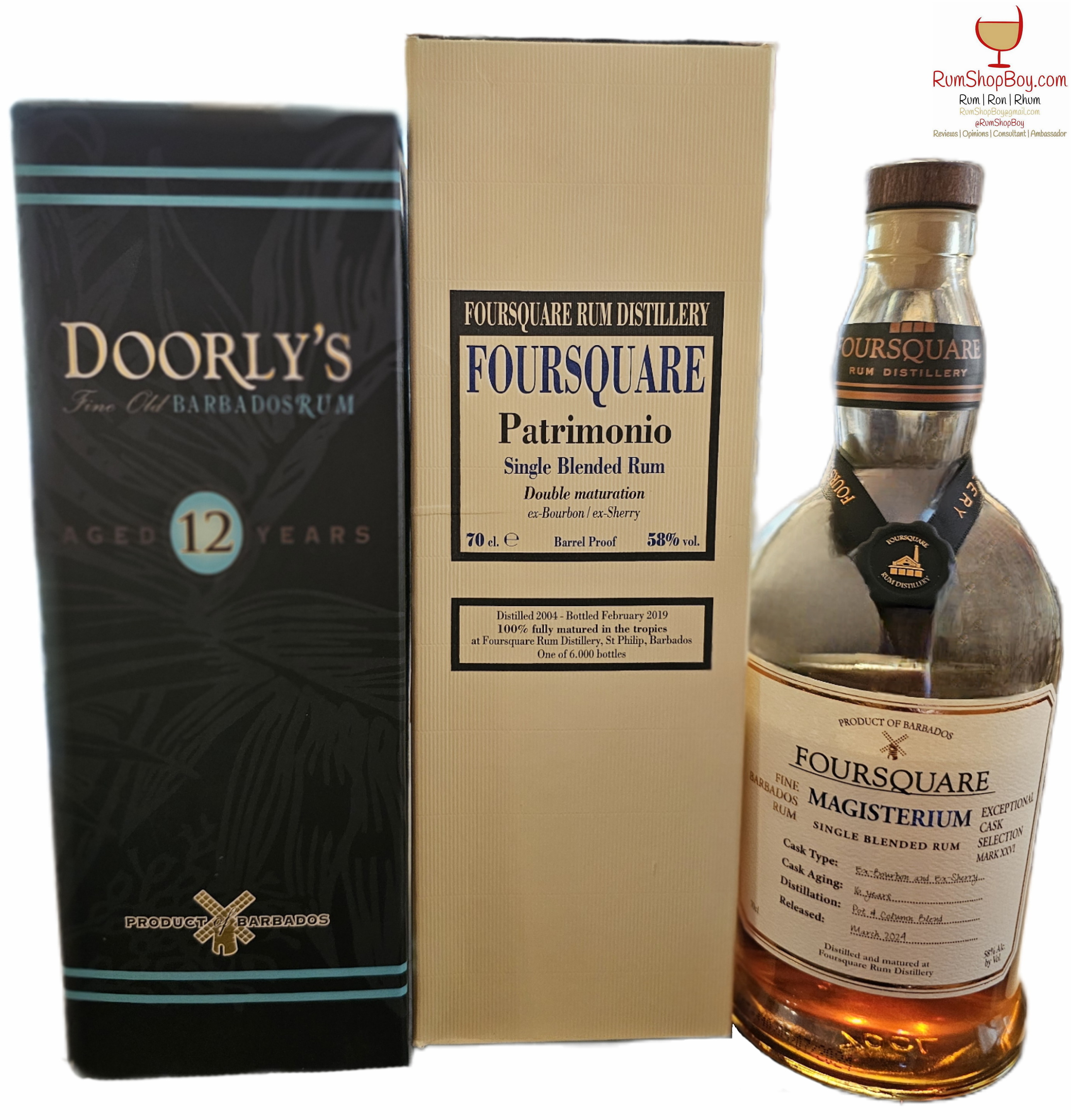
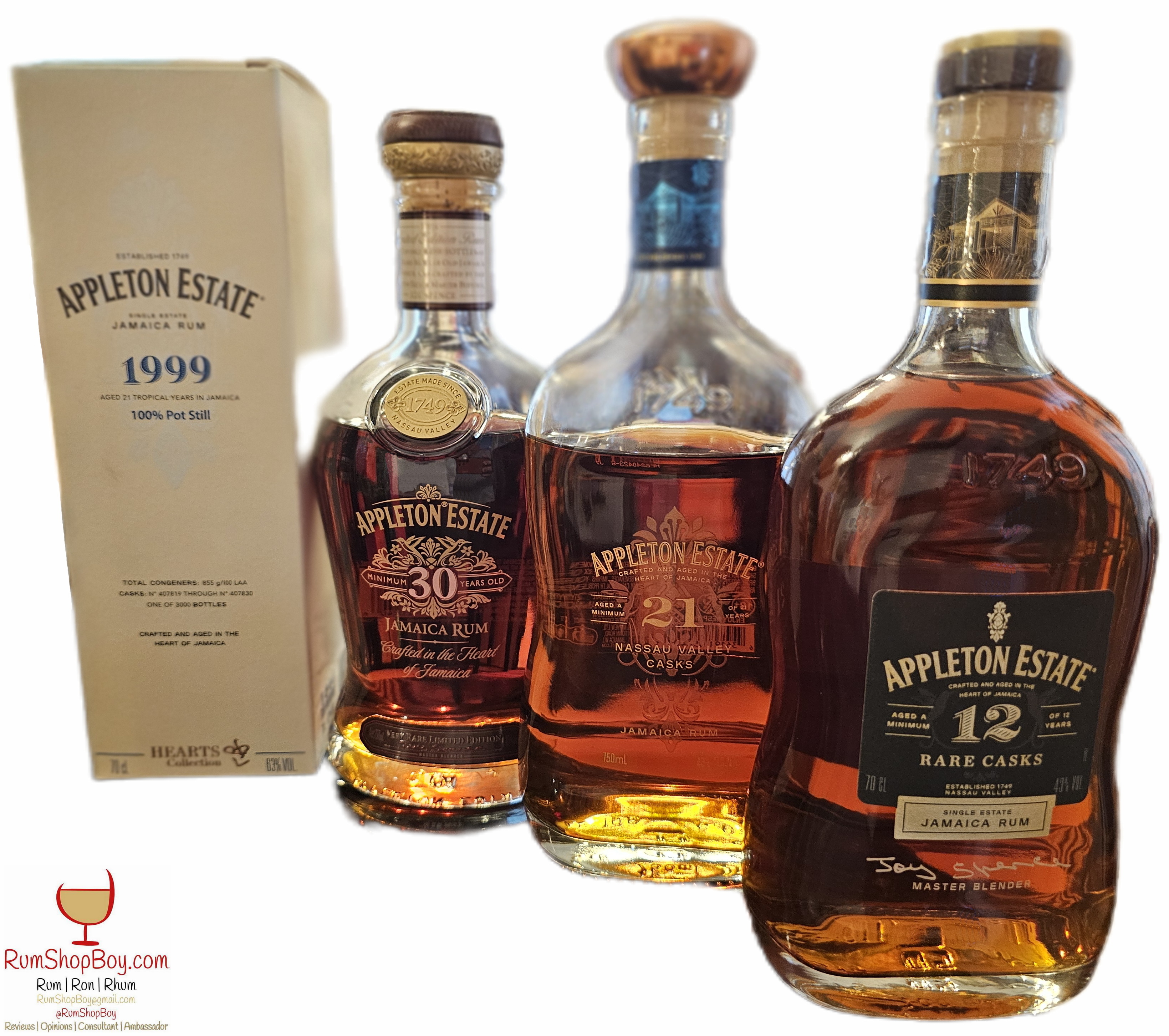
Comparing single blended rum from Foursquare and Appleton distilleries. Both aged for a minimum of 12 years. Both are fine rums, especially at the price point and minimum age statement. Appleton 12 is my “go-to” all rounder rum-wise. Kevin sat on the fence each week and switched allegiances multiple times before choosing his favourite. For me, the Appleton just had more flavour overall.
Barbados #1
Doorly’s 12yo
40%
£54
Week 1: Kevin
Jamaica #1
Appleton 12yo
43%
£45
Week 1: Simon
Week 2: Kevin & Simon
Result: Barbados 1 – 3 Jamaica
TWO
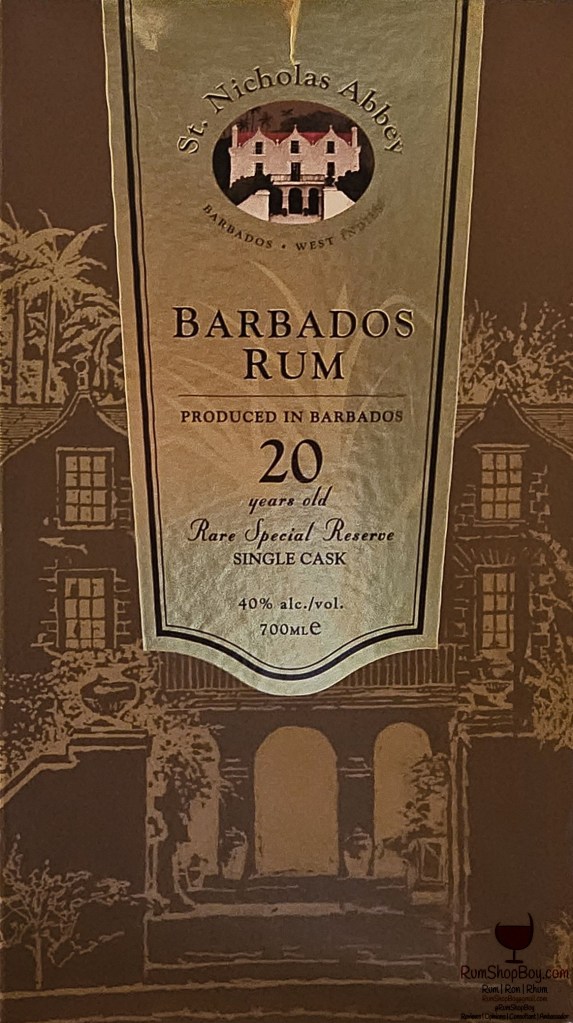
Two premium rums of similar ages. SNA’s rum was originally distilled at Foursquare, so both are actually single blended rums. SNA always produces fine rums and on its own, I will always laud the appeal and quality of the 20yo. But alongside Appleton’s 21yo, it did not compete sadly. That was a big surprise to me.
We both consistently preferred the all round nature of the 21yo.
Barbados #2
St. Nicholas Abbey 20yo
40%
£332
Jamaica #2
Appleton 21yo
43%
£149
Week 1: Kevin & Simon
Week 2: Kevin & Simon
Result: Barbados 0 – 4 Jamaica
THREE
Both are Pure Single Rums i.e. batch/pot distillation from a single distillery. They are both independent bottlings with similar ages. The ABV is slightly higher in the Barbados rum but it is close enough not to make much difference. Many Jamaican rums are pot still, but finding pot still Barbados rums is more challenging. I have a rare Foursquare example to compare. We expected Kevin to prefer the higher ABV from Barbados but we both felt that the reason why we love Foursquare so much is because the rums are blended. This adds some lighter column still rums to balance the [often] fiery pot still rums. Therefore, the natural funk from Hampden, albeit with a lower ABV, won this round.
Barbados #3
Royal Cane
Foursquare 2002 20yo
50%
£202.75
Jamaica #3
Kill Devil
Hampden 18yo
46%
£160
Week 1: Kevin & Simon
Week 2: Kevin & Simon
Result: Barbados 0 – 4 Jamaica
FOUR
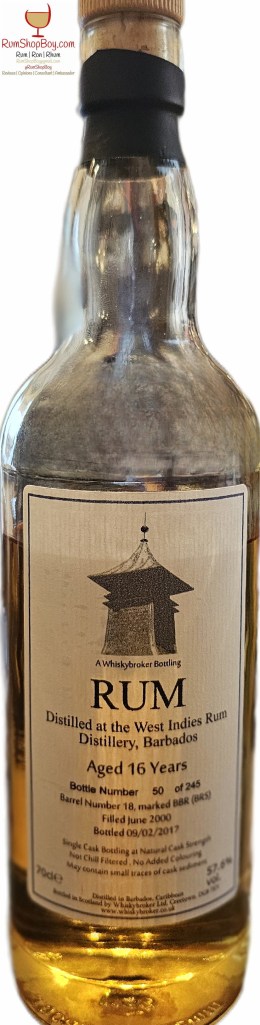
The West Indies Rum Distillery (WIRD) in Barbados has multiple types of stills and distillations. I am unable to confirm if the rum in this comparison is purely a batch/pot still, but it is likely to be. By comparison, the Worthy Park is absolutely 100% pot still/batch distillation. Both come in at very comparable high ABVs. Although the Worthy Park is a lower age statement, it is 100% tropical ageing. The Whisky Broker rum will have spent some time ageing in its native Barbados, but also an unknown proportion in the UK/Europe. Therefore, the 16 years, being not-entirely tropical is far closer to the Worthy Park than the initial numbers suggest.
Both of these rums were powerful and the ABVs felt challenging at times. Yes, we sipped slowly! I was surprised that I found the WIRD rum to be more pleasing to the palate. Despite being from Barbados, it actually had some fruity notes more reminiscent of a typical Jamaican pot still. I think the Worthy Park needs a little longer ageing. In a rare disagreement, Kevin was convinced each week that the Worthy Park rum was better overall. I changed from week one to week two.
Barbados #4
WIRD Whisky Broker 16yo
57.6%
£53.50
Week 2: Simon
Jamaica #4
Worthy Park
ex-Marsala Cask 5yo
60.0%
£75
Week 1: Kevin & Simon
Week 2: Kevin
Result: Barbados 1 – 3 Jamaica
FIVE
Two absolutely stunning rums in round five. Both have extensive ageing in their homelands and both have a steady 45% ABV. The Mount Gay has had 20 years aged in traditional ex-Bourbon barrels. It was then aged for a full year in ex-Pedro Ximenez Sherry. By comparison, the Appleton has had an incredible 30 years of ageing in ex-Bourbon barrels. Given the 6 or 7% or so of Angel’s Share in Jamaica, it is a phenomenally long time to have been aged. This was a really tough one and took some time, mainly because we both enjoyed sipping the rums so much. Given my love of Appleton and I rate the 30yo among my top rums, I was surprised to prefer the Mount Gay. We both agreed that there is something magical about rums aged in ex-PX casks. This Mount Gay example is amazing.
Barbados #5
Mount Gay PX 21yo
45.0%
£220
Week 1: Kevin & Simon
Week 2: Kevin & Simon
Jamaica #5
Appleton 30yo
(2nd Edition, 2018)
45.0%
£400
Result: Barbados 4 – 0 Jamaica
SIX
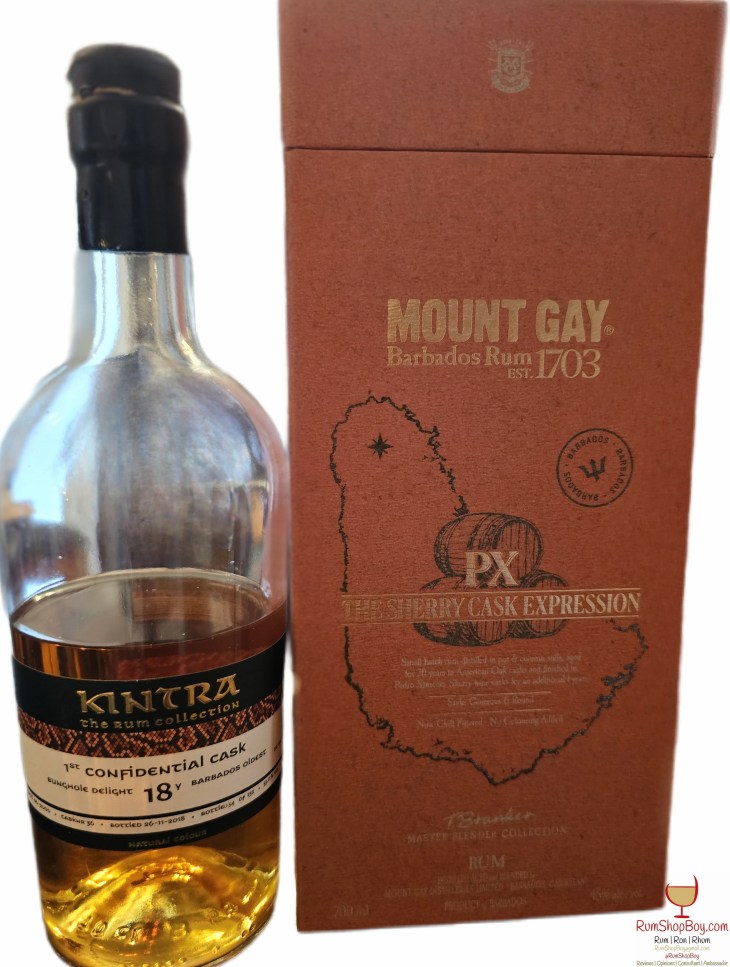
I felt that despite featuring several traditional styles of rums from Appleton, I had to include one of the Hearts editions. Finding something comparable from Barbados was a challenge given the heavy pot still and long ageing of the Hearts. I have an independent bottling from Kintra that is described as “1st Confidential Cask” from “Barbados Oldest”. Obviously, Mount Gay provided the rum and unusually for them, it is a pure pot/batch distillation. I have to caveat the fact that whilst the ages appear similar, much of the Kintra ageing will be continental. The ABVs are not too far away from each other although obviously the prices vary hugely. This tasting was divisive, not least of which, because we both did not really like either of them especially. We dithered from week one to two about which we disliked the least. Way too powerful and challenging to actually enjoy drinking. Despite being an Appleton advocate, I am not a big fan of the Hearts collection overall. In football terms, this was a very dull 0-0 draw – think of two José Mourinho teams playing each other!
Barbados #6
Kintra Mount Gay 18yo
55.6%
£85
Week 1: Kevin
Jamaica #6
Appleton Hearts 1999 21yo
63%
£259.49
Week 1: Simon
Week 2: Kevin & Simon
Result: Barbados 1 – 3 Jamaica
SEVEN
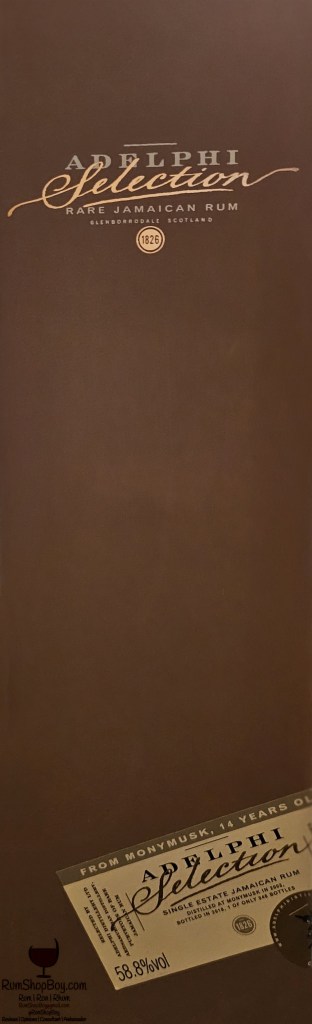
The only Clarendon rum in my collection made an appearance to help better represent the distilleries of Jamaica. This pot still rum will have spent a proportion of time ageing in Jamaica as well as in the UK/Europe. The comparison is the only Exceptional Cask Selection (ECS) from Foursquare in Barbados to feature. Magisterium is a similar ABV and ageing although of course it has been entirely aged in tropical Barbados. I chose it because it felt like a pot still heavy ECS. It was a little harsher on the palate than many ECS bottles. Although I fully expected it to be an easy win for Barbados, the Adelphi pleasantly surprised us and it almost “won” for both of us in week one. But, in the end, the lighter column still influence in Magisterium steered it ahead.
Barbados #7
Foursquare Magisterium
16yo
58%
£100
Week 1: Kevin & Simon
Week 2: Kevin & Simon
Jamaica #7
Adelphi Monymusk
14yo (Clarendon)
58.8%
£84
Result: Barbados 4 – 0 Jamaica
EIGHT
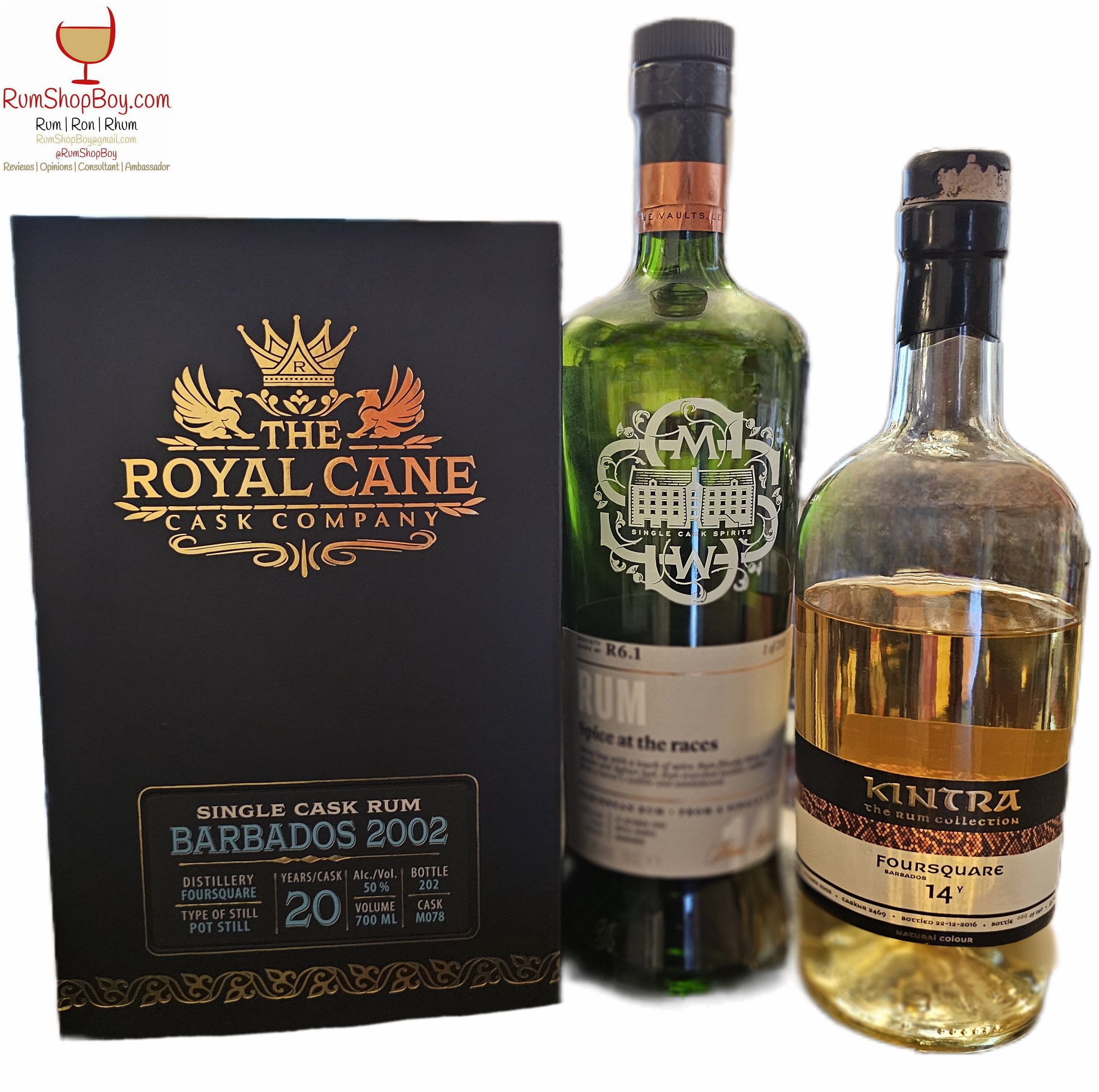
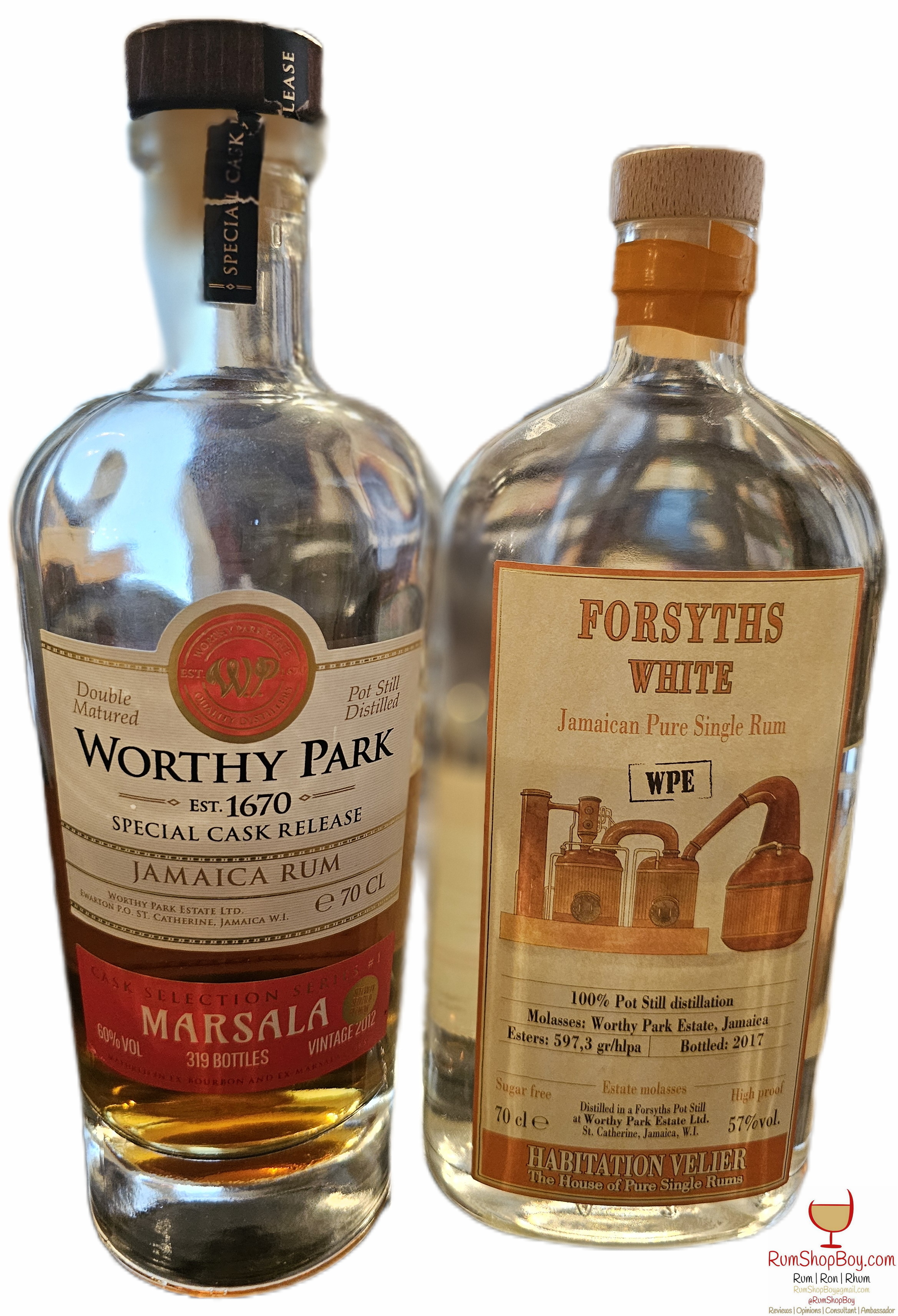
Looking to feature different styles of rums, I chose a powerful un-aged Worthy Park pot still/batch distillation. The problem is that it was a challenge to find a similar rum from Barbados. My choice is an unusual pot still-only independent bottling of Foursquare rum. Despite the ageing, both tropical and continental, the Kintra Foursquare is a very different profile to what we have come to expect. I genuinely expected this to be very close in our tasting and it was. In week one, the Worthy Park was my favourite but after some discussions and switching of sides, ultimately Kevin preferred the Foursquare. In week two, it was a similar experience. Both are challenging to sit and sip. High ABVs from pot stills lead to us both declaring that we would not choose either rum to sip and savour. Eventually, we both agreed on the Foursquare in week two.
Barbados #8
Kintra Foursquare 14yo
57.7%
£52.71
Week 1: Kevin
Week 2: Kevin & Simon
Jamaica #8
Worthy Park Forsyths White
57.0%
£52.17
Week 1: Simon
Result: Barbados 3 – 1 Jamaica
NINE
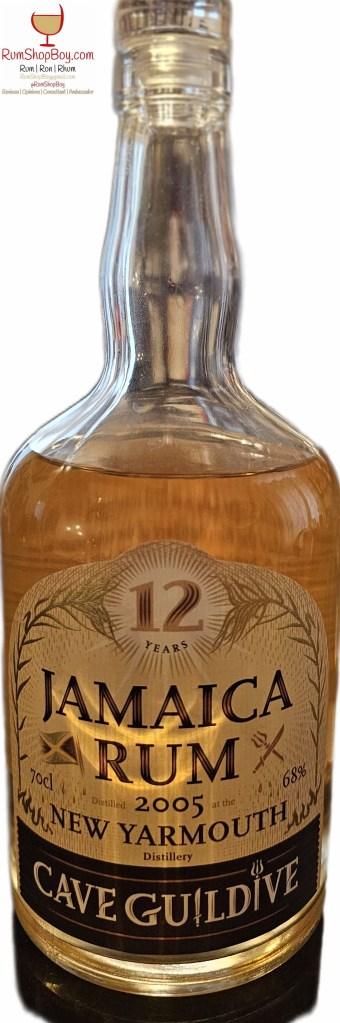
Two full bodied and powerful pot still rums for this round. Both independent bottlings and both full bodied. The Scotch Malt Whisky Society’s (SMWS) Foursquare is a rare example of a pure single rum from the distillery. Despite being a slightly lower ABV, it packs a real punch. The Jamaican is the only example in my collection from New Yarmouth distillery. Appleton’s sister distillery, it is the producer of Wray & Nephew rums. Overall, we both found each rum to be too overpowering to sip and savour. But, we both consistently preferred the Bajan rum.
Barbados #9
SMWS R6.1 Spice At The Races 14yo
57.3%
£90
Week 1: Kevin & Simon
Week 2: Kevin & Simon
Jamaica #9
Cave Guildive New Yarmouth 12yo
68.0%
£149
Result: Barbados 4 – 0 Jamaica
TEN
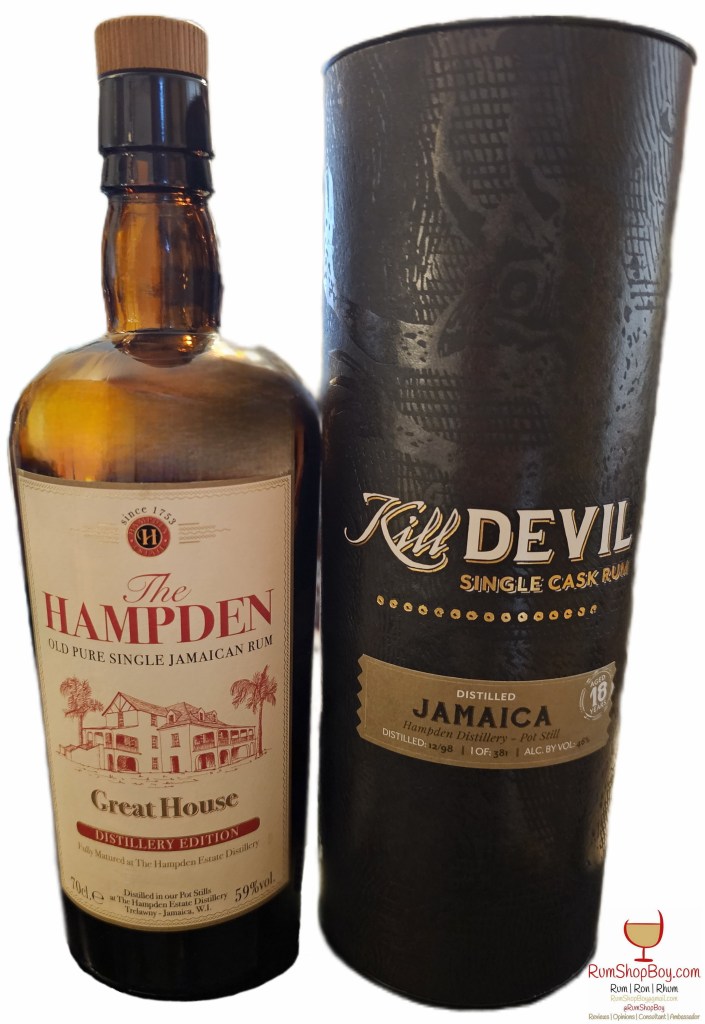
Two cracking rums to round off the tasting session. One of the Foursquare-Velier rums from Barbados. The lesser-appreciated, and very underrated Patrimonio. From Jamaica, the first of the annual releases of the Great House offerings. Overall, it was the smoother and sweeter notes of the single blended rum from Barbados that we preferred. I love Hampden rums, and having visited the distillery in 2016 before its current popularity explosion, I appreciate the history of its creations. That said, despite its quality, it did not have the finesse of the Foursquare rum.
Barbados #10
FSQ Patrimonio
58%
£170
Week 1: Kevin & Simon
Week 2: Kevin & Simon
Jamaica #10
Hampden Great House 2019
59%
£150
Result: Barbados 4 – 0 Jamaica
Overall:
So, what did we discover?
Well, technically, we prefer Barbados to Jamaica as the final score was Barbados 22-18 Jamaica. Two rums difference out of 20. But that does not tell the full story. Each island offers many unique styles of rums and is full of history and culture in every drop. I think it is important to celebrate that history and culture and strive to preserve it in rums in the future. That means things such as adhering to Jamaica’s Geographic Indication (GI), which clearly defines what a Jamaican rum should be. Akin to how Scotch whisky and Champagne are recognised. Barbados is trying to introduce a similar GI, but just one distillery is preventing it from happening. It is significant that this rogue distillery (WIRD) is the same one that exports its rums in order for them to be adulterated with additives and artificial flavours.
We sampled 20 rums in our sessions. This was a fairly broad representation of the rums produced by each island. But it was very much subjective. As in, what flavours and styles of rums we prefer were more likely to “win”. It was great fun and a good experience, one that we will repeat I am sure.
The featured image from this post was generated using AI. It often changes texts so you might notice the bottles looking a bit strange. But it was a fun experiment.
Review No: 185
Here is a link to all of my hydrometer tests:
RumShopBoy Hydrometer Tests
Why are rums marked out of 100? Click HERE to read about how I mark a rum.
*
P Denotes the rum contains POT still distillate.
C Denotes the rum contains traditional/Coffey COLUMN still distillate.
B Denotes the rum contains a BLEND of POT and COLUMN still distillate.
M Denotes the rum contains MULTI-COLUMN still distillate or is a MODERN rum.
A Denotes the rum is an AGRICOLE i.e. from Cane Juice.
S Denotes the rum is presented in a SWEETENED style.
Single Blended Rum: A blend of pot still and traditional column still from a single distillery.
Pure Single Rum: 100% Pot Still from a single distillery
Pure Single Agricole Rum: 100% Pot Still from cane juice
Single Blended Rum – A blend of pot still and traditional column still from a single distillery.
Traditional Rum: From a traditional column still.
Modern Rum: From a modern multi column still.


One thought on “Comparing Barbados and Jamaica Rum: Who Wins?”